The psychology behind risk-taking in casino gambling
The allure of chance: Understanding risk in gambling
The thrill of casino gambling often hinges on the concept of risk, which entices players to engage in activities that involve uncertain outcomes. At the core of this allure lies the human brain’s response to potential rewards. When individuals contemplate taking risks, particularly in a casino setting, their brains release dopamine, a neurotransmitter associated with pleasure and reward. This chemical reaction creates feelings of excitement and euphoria, encouraging players to chase these high-stakes experiences. This is where platforms like mafia-casino.uk come into play, offering exciting games for those willing to test their luck.

Moreover, the allure of risk is often amplified by the idea of winning big. Casino advertisements frequently highlight extraordinary wins and lavish lifestyles, which can distort a player’s perception of the odds. By focusing on the potential gains rather than the inherent risks, casinos successfully attract participants who crave the thrill of high-stakes gambling. This marketing strategy plays a significant role in shaping players’ attitudes towards risk-taking.
Additionally, the environment of a casino itself is designed to heighten feelings of excitement and anticipation. The sounds of slot machines, the chatter of players, and the glimmer of lights create an atmosphere that stimulates the senses. This sensory overload can lead to impulsive decision-making, as players become caught up in the moment and are more inclined to take risks they might otherwise avoid in calmer settings. Ultimately, understanding the psychology behind risk in gambling is crucial for recognizing why many are drawn to these high-stakes environments.
The role of cognitive biases in gambling behavior
Cognitive biases significantly influence how gamblers perceive risk and make decisions in the casino. One prominent bias is the “gambler’s fallacy,” where individuals believe that past outcomes affect future probabilities. For instance, a player might think that a particular slot machine is “due” for a win after a series of losses. This flawed reasoning can compel individuals to continue gambling, convinced that their luck will change. Such cognitive distortions often lead to further risk-taking behaviors, creating a cycle that is hard to break.
Another common bias is the overestimation of personal control. Many gamblers believe they have some level of influence over the outcomes of games of chance, such as blackjack or poker. This illusion of control can lead to riskier bets, as players feel empowered to act on their intuition rather than understanding the inherent randomness of the games. This psychological phenomenon can result in significant financial loss as players chase their perceived sense of control.
Additionally, the “availability heuristic” impacts gambling behavior. Gamblers often remember vivid examples of large wins more than they do of losses. This selective memory can perpetuate the belief that gambling is a lucrative endeavor, encouraging more significant risk-taking. By focusing on the successes of others or their own past victories, individuals are less likely to consider the broader statistical realities of gambling, which is often designed to favor the house. Recognizing these cognitive biases can provide insight into the complex psychological mechanisms at play in the world of casino gambling.
The emotional impact of wins and losses
The emotional stakes in casino gambling are profound, influencing how individuals approach risk. Winning can generate euphoria, reinforcing the desire to continue gambling. The experience of winning not only elevates mood but also feeds into a gambler’s self-perception as someone who can beat the odds. This emotional high often leads players to underestimate the likelihood of losses, creating a dangerous cycle where the thrill of victory overshadows the reality of gambling’s risks.
On the other hand, losing can evoke a wide range of negative emotions, including frustration, disappointment, and even anger. These feelings can compel players to gamble more in an attempt to recoup their losses, a behavior known as “chasing losses.” This emotional rollercoaster can cloud judgment, leading to increasingly risky decisions. The interplay of emotions in gambling emphasizes why understanding psychological factors is critical for both players and those seeking to provide support or intervention.
Furthermore, social factors can also amplify emotional responses to gambling outcomes. The communal experience of playing in a casino can lead to a shared sense of joy or disappointment among friends and strangers alike. This social aspect can drive individuals to take risks they might avoid when alone, fueled by the desire to enhance their social experiences. As emotions intertwine with gambling behavior, the stakes become much more than monetary; they tap into deeper psychological needs for validation and connection.
The significance of personal history in gambling behavior
A person’s history with gambling plays a crucial role in shaping their approach to risk. Individuals with previous positive experiences in gambling, whether through wins or memorable moments, are often more inclined to take risks in the future. This personal narrative can create an expectation of continued luck, leading to behavior that disregards the statistical probabilities of games. As a result, past experiences significantly influence risk-taking behavior, making personal history a vital component in understanding gambling psychology.
Conversely, individuals who have faced negative experiences, such as significant financial losses or family strife due to gambling, may either become more cautious or develop a compulsion to take risks in hopes of turning their fortunes around. This paradox highlights the complexity of human behavior, where past traumas or successes can lead to vastly different outcomes in the present. Such contrasting reactions exemplify how deeply intertwined personal history and psychological responses are in the realm of gambling.
Additionally, cultural influences and societal norms can shape an individual’s relationship with gambling. For example, someone raised in a family where gambling was viewed as an acceptable form of entertainment may be more prone to take risks compared to someone from a background that associates gambling with taboo. Understanding these broader contextual influences can further elucidate the diverse motivations behind risk-taking behaviors in casino gambling, demonstrating that psychology plays a multifaceted role in shaping player experiences.
Exploring the online gambling landscape
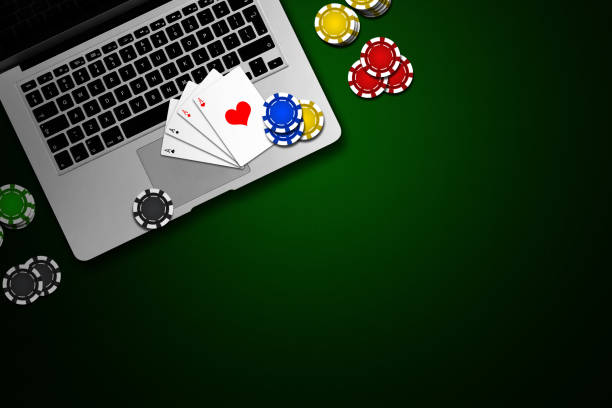
With the rise of online casinos, the psychology behind risk-taking has evolved in fascinating ways. Online platforms offer unprecedented access to gambling opportunities, often leading to impulsive decision-making. The convenience and anonymity provided by online gambling can intensify risk-taking behavior, as players may feel less accountable for their actions compared to traditional casino settings. This detachment can lead to a blurring of boundaries, making it easier for individuals to engage in excessive gambling.
Moreover, the online gambling experience is often enhanced by gamification elements that further engage players. Features like leaderboards, achievement badges, and bonuses can create a sense of competition and urgency, prompting individuals to take risks they might avoid otherwise. The psychologically stimulating nature of these features can lead players into a state of flow, where they become fully immersed in the experience and lose track of time and money spent, demonstrating the profound effects of design on risk behavior.
Lastly, the online gambling landscape often presents an array of promotional offers, such as sign-up bonuses and free spins. While these incentives can initially appear enticing, they can also lead players to make impulsive decisions. The expectation of immediate rewards can cloud judgment and promote a cycle of continual risk-taking. Understanding these online dynamics is essential for both players and regulators aiming to mitigate potential harms while promoting responsible gambling practices.