Understanding the Concept of Bluffing
Bluffing is a crucial element of poker that can turn the tides of a game in an instant. At its core, bluffing is the act of convincing your opponents that you hold a stronger hand than you do, thereby inducing them to fold. Understanding when and how to bluff effectively can significantly elevate your game, especially when combined with strategies like those seen in an online casino $10 neosurf environment. It is not simply about lying; it involves a nuanced approach where you read your opponents and gauge their reactions to various betting patterns.
Successful bluffing requires a deep knowledge of poker dynamics and human psychology. For example, if a player has consistently shown aggressive behavior throughout the game, a sudden shift to a passive stance may not attract suspicion. This is where subtlety plays a vital role. Bluffing requires you to balance between showing strength and vulnerability, depending on the circumstances and the players involved at the table.
Moreover, the effectiveness of a bluff often depends on your position at the table and the stage of the game. Early in a hand, your credibility is lower, as no community cards have been revealed. However, later rounds can allow for greater risks. Bluffing is not just an act; it’s about storytelling, crafting a narrative with your bets, and maintaining the confidence to keep others in doubt about your true intentions.
Key Strategies for Effective Bluffing
To master bluffing, you need to possess a toolbox of strategies that can adapt to various situations. One effective method is the ‘semi-bluff,’ where you bet on a hand that is not currently the best but could improve with future cards. This strategy allows you to build the pot while retaining the potential to win if the draws go in your favor.
Another important strategy involves paying attention to your opponents’ betting patterns. If you notice a player who is overly cautious, they might fold to aggression. Conversely, an aggressive player might challenge your bluff, so you need to adjust accordingly. This adaptability is what sets successful players apart from the rest. Timing your bluffs is equally essential; initiating a bluff after a scare card appears can greatly increase its effectiveness.
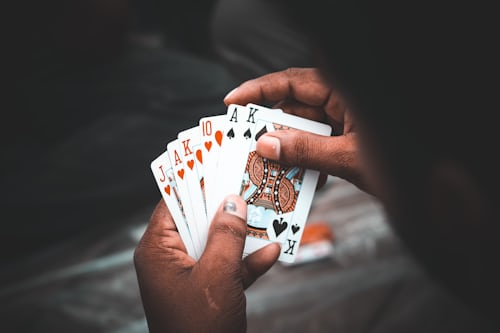
Lastly, your image at the table dramatically influences the success of your bluffs. If you have been playing tight and conservative, opponents might give you more credit when you do choose to raise. Establishing a solid table image can pave the way for more successful bluffs in the future. Always consider how others perceive your gameplay, as leveraging this can lead to significant advantages.
Reading Your Opponents
Effective bluffing is not just about your own cards; it significantly involves understanding your opponents. Observing their reactions, betting patterns, and even their physical tells can provide clues about their hand strength. For instance, if a player suddenly becomes quiet or becomes fidgety when facing a big bet, these could be signs that they are unsure of their own hand. Learning to interpret these signals can give you the upper hand in deciding when to bluff.
Moreover, psychological tactics can enhance your ability to read other players. Some players may project confidence even when holding weak hands, while others may play cautiously despite having a strong hand. By analyzing their behaviors over a series of hands, you can piece together a more accurate picture of their tendencies, helping you make better decisions during critical moments.
Utilizing the concept of ‘reverse tells’ can also be beneficial. This involves acting in ways that mislead opponents into thinking you have a particular strength or weakness. For example, a player may deliberately bet high as a bluff to project confidence, or they might check to induce bets from others when they actually have a strong hand. This layered approach adds complexity to the game and can lead to successful bluffing when executed well.
Common Pitfalls in Bluffing
One of the most common pitfalls in bluffing is overdoing it. Many players, especially novices, mistakenly believe that frequent bluffing will enhance their play. However, this can rapidly lead to predictability, making it easier for opponents to call your bluffs. Keeping a balanced strategy is essential; too many bluffs can diminish your credibility, while too few can stifle potential profits from your stronger hands.

In addition to over-bluffing, misreading the table dynamics can lead to disastrous outcomes. If you bluff against a player who has demonstrated a willingness to call down with weak hands, you are setting yourself up for failure. Recognizing when to fold instead of bluffing is as crucial as knowing when to make the attempt. A seasoned player knows there are moments when the best decision is to minimize losses rather than chase a bluff.
Another area to be cautious of is emotional play. Poker is often a psychological battle, and letting emotions dictate your strategies can cloud your judgment. Staying calm and composed while bluffing is a skill that can make or break your game. Embracing a disciplined approach will ensure that every bluff you attempt is calculated rather than impulsive, keeping you in control and less susceptible to the whims of chance.
Enhancing Your Skills through Practice and Resources
Mastering bluffing in poker requires consistent practice and reflection. Engaging in friendly games with peers or utilizing online platforms can provide you with diverse experiences to hone your skills. The more scenarios you encounter, the better prepared you will be for various situations at the casino table. Record your sessions and analyze your decisions, especially those involving bluffing, to identify areas for improvement.
Moreover, seeking out educational resources such as books, videos, or poker forums can enrich your understanding of the game. Engaging with a community of players allows for sharing experiences, strategies, and even mistakes. Learning from others’ successes and failures can provide unique insights and broaden your approach to the art of bluffing.
Additionally, consider participating in workshops or classes offered by seasoned players. These environments foster knowledge sharing and practical application, enabling you to test your bluffing techniques under expert guidance. As your skill level increases, so will your confidence, making you a formidable opponent in any poker game.